

Menopause
Posted
When does Menopause Usually Happen?
Menopause can occur at various stages, but the age range that most woman experience menopause is between ages 45 and 55, with the average age 51. Early menopause occurs between ages 40 and 45 and late menopause occurs between 55 and 60. 1-2% of woman develop premature menopause before the age 40. the time at which a woman reaches menopause depends on a number of factors. Smokers reach menopause on average 2 years earlier than non-smokers. The best predictor of menopause age is the age at which mothers and sisters reach menopause.
Natural Menopause
This is a spontaneous ending of menstruation and not caused by disease of intervention. With increased life expectancy, most woman now live at leaset one-third of their lives after menopause.
Surgical menopause.
Menopause occurs immediately if both ovaries are surgically removed (bilateral oophorectomy). Surgery to remove the uterus (hysterectomy) does not cause menopause if the ovaries are left in place, although menses will stop. Woman who have had hysterectomy on average will start menopause 2-3 years earlier than woman who have not. This will be heralded by hot flushing and night sweats for most woman. Chemotherapy and pelvic radiation therapy may predispose a woman to have an earlier menopause. With chemotherapy or radiotherapy, these symptoms may be temporary and return of normal function of the ovaries (and menstruation) may occur.
Premature menopause.
Whether natural or induced, occurs before age 40. The major cause (40%) is unknown. 30% of cases are autoimmune with antibodies destroying ovarian egg cells. Investigations for coexisting autoimmune conditions (thyroiditis, rheumatoid arthritis, lupus, etc) should be done. Less common causes include destruction of ovarian tissues secondary to surgery, radiation and chemotherapy. Rare causes include genetics and chromosomal abnormalities. Terminology for this condition includes premature menopause, premature ovarian failure (POF) and premature ovarian insufficiency. Woman with premature menopause should discuss hormone therapy with their health care provider to help prevent certain age-released diseases.

What about Mood Swings, Memory Loss and Depression?
Manu woman often experience irritability, tearfulness, anxiety, difficulty concentrating, lack of energy, poor concentration and mood swings as they go through menopause. But, are all of these things caused by menopause?
Mood swings vs. depression: Mood swings related to menopause and depression are two separate things. Menopause does not cause depression nor are there higher rates of depression among menopausal women. However, sleep disorders and hot flushes (Flashes) are common, and these can contribute to feeling irritable and moody.
Memory and menopause: What about memory problems? Many women report difficulties with their memory and with concentration during the transition to menopause. Studies that attempted to measure memory changes in this group tend to be small in size and the memory tests that are used in these studies many do do not reflect the kinds of memorey-related tasks women do in real life. Many authors also point out that the way we see ourselves ("I have a poor memory:) does not always match with objective tests that demonstrate our abilities (e.g You scored well on a memory recall test, or you could remember all the words to a song you just heard). Given these shortcomings, it is difficult to assess whether menopause and memory loss are correlated.
Menopause is just one of many challenges that women face. Mid-life is full of stressors that impact our mental health. Dealing with adolescent children, facing an empty nest, increased career demands, financial challenges, and care of aging parents can influence a woman's perception of stress an distress in her personal environment. With the arrival of menopause, with sleep disturbances and hot flushing's, the situation may seem unmanageable.

Will My Sex Life Change After Menopause?
A healthy and active sex life prior to menopause is likely to remain healthy and active after menopause. Unfortunately, sexual dysfunction can happen at any age - from adolescent to post menopause. For some women, menopause does affect their sex life.
Here are a few common conditions:
Low sexual desire also known and hyposexual desire disorder (HSDD)also known and hyposexual desire disorder (HSDD)rm of sexual activity. This absence of desire is often distressing to the woman and may cause difficulties in her sexual relationship. Women who have had their ovaries surgically removed are more likely to experience HSDD than women who experience natural menopause.
Sexual pain disorders are the result of the thinning of the vulva, vagina and urinary tract over time Known as vulvovaginal atrophy, or VVA for short, this thinning occurs with the loss of oestrogen production during menopause. In addition, a loss of vaginal elasticity can make sexual intercourse uncomfortable and result in tears of delicate tissue. There is also an increased risk of vaginal infections and reactive spasms of vaginal muscle secondary to painful intercourse. Simple solutions such as using vaginal lubricants and moisturizers can help, your doctor may prescribe oestrogen creams, tablets or rings in more severe cases.
What Can I Do About Hot Flushes?
Common Injuries
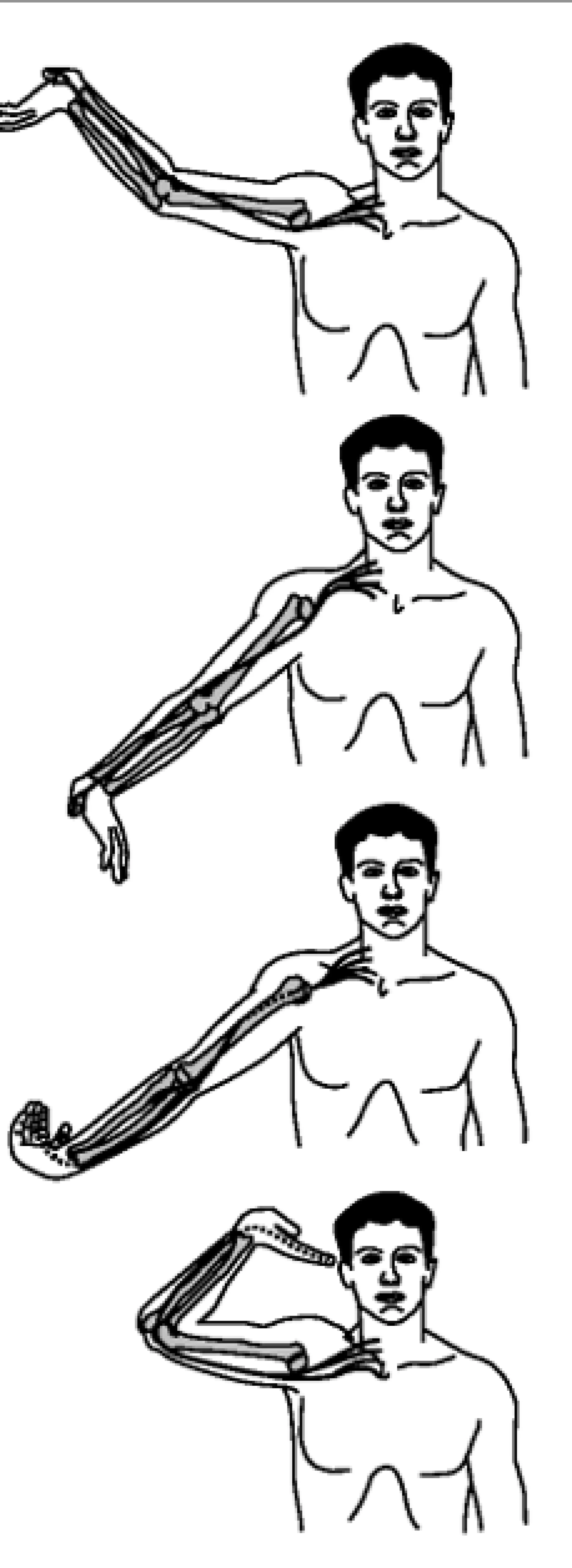
Neurodynamic Testing
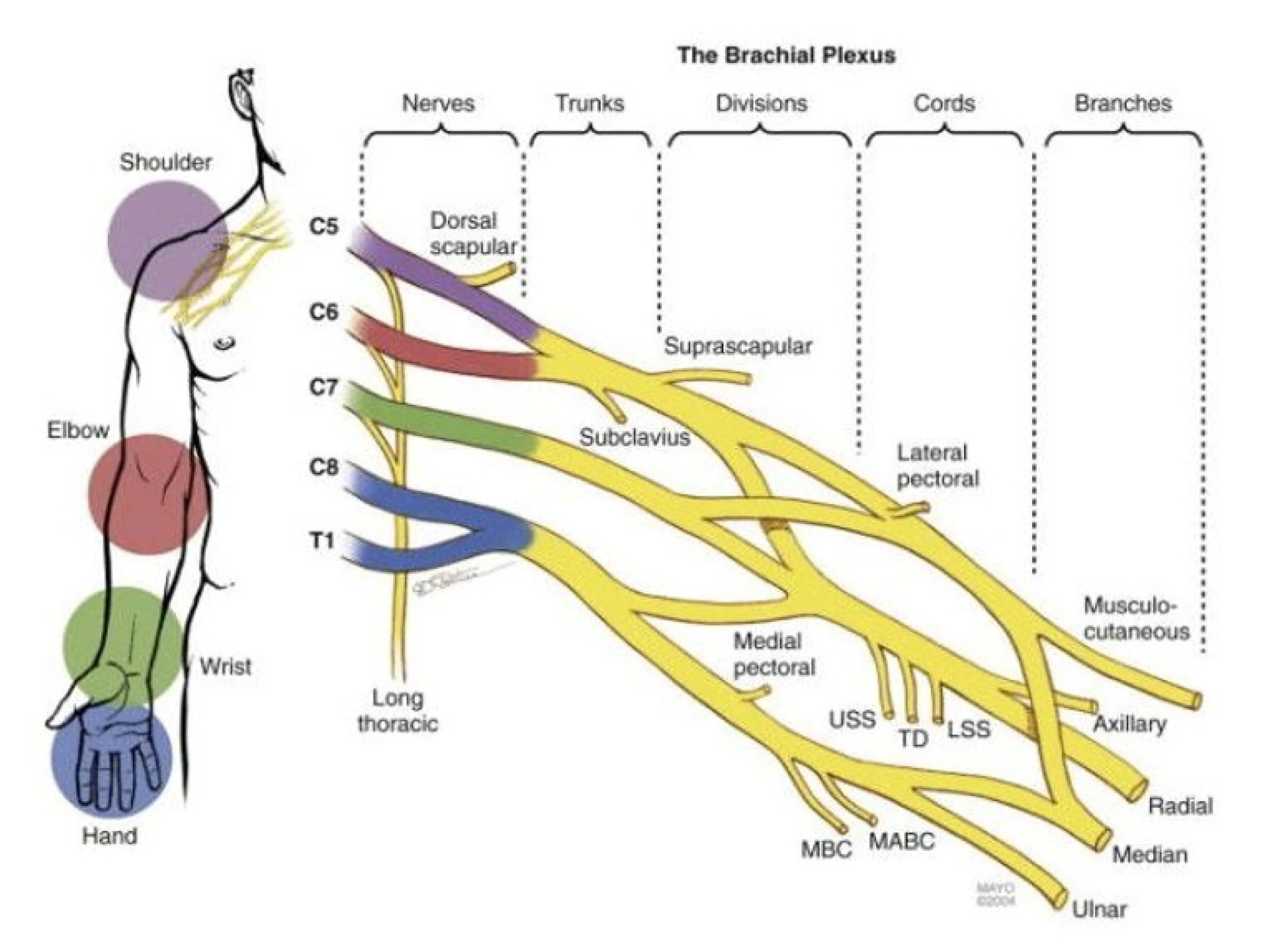
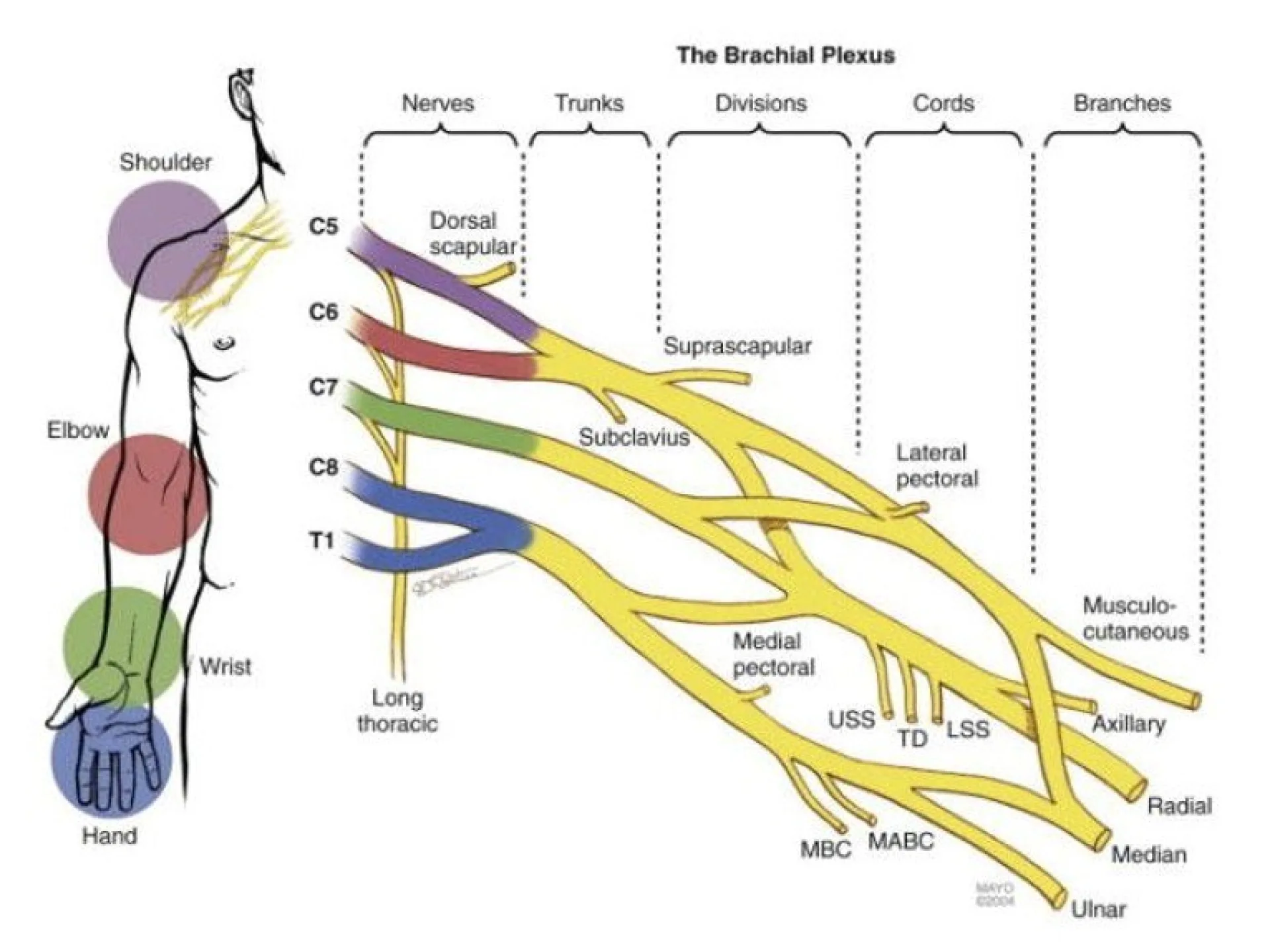
ULTT 1 - Brachial plexus biasing the Median Nerve
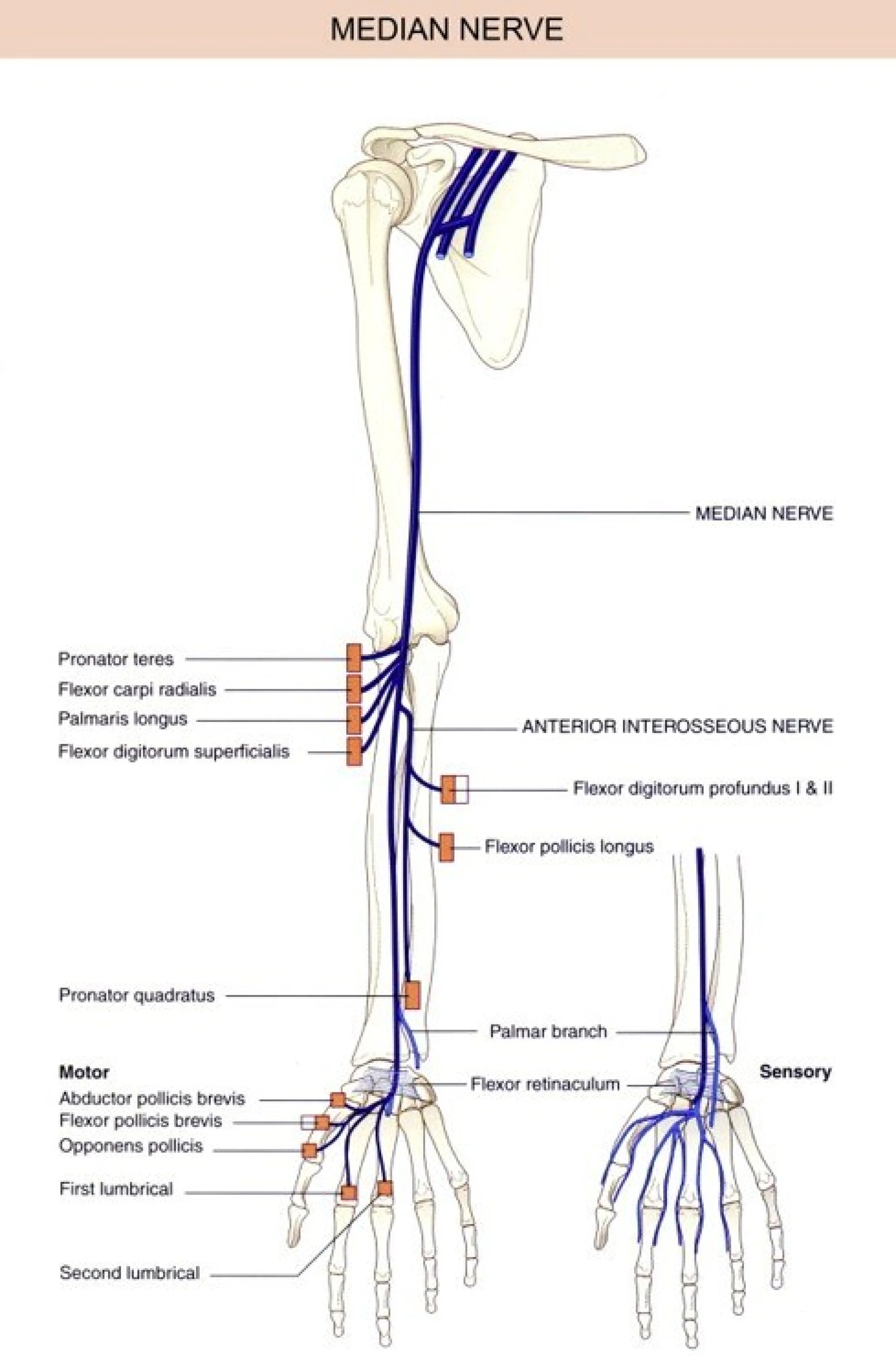
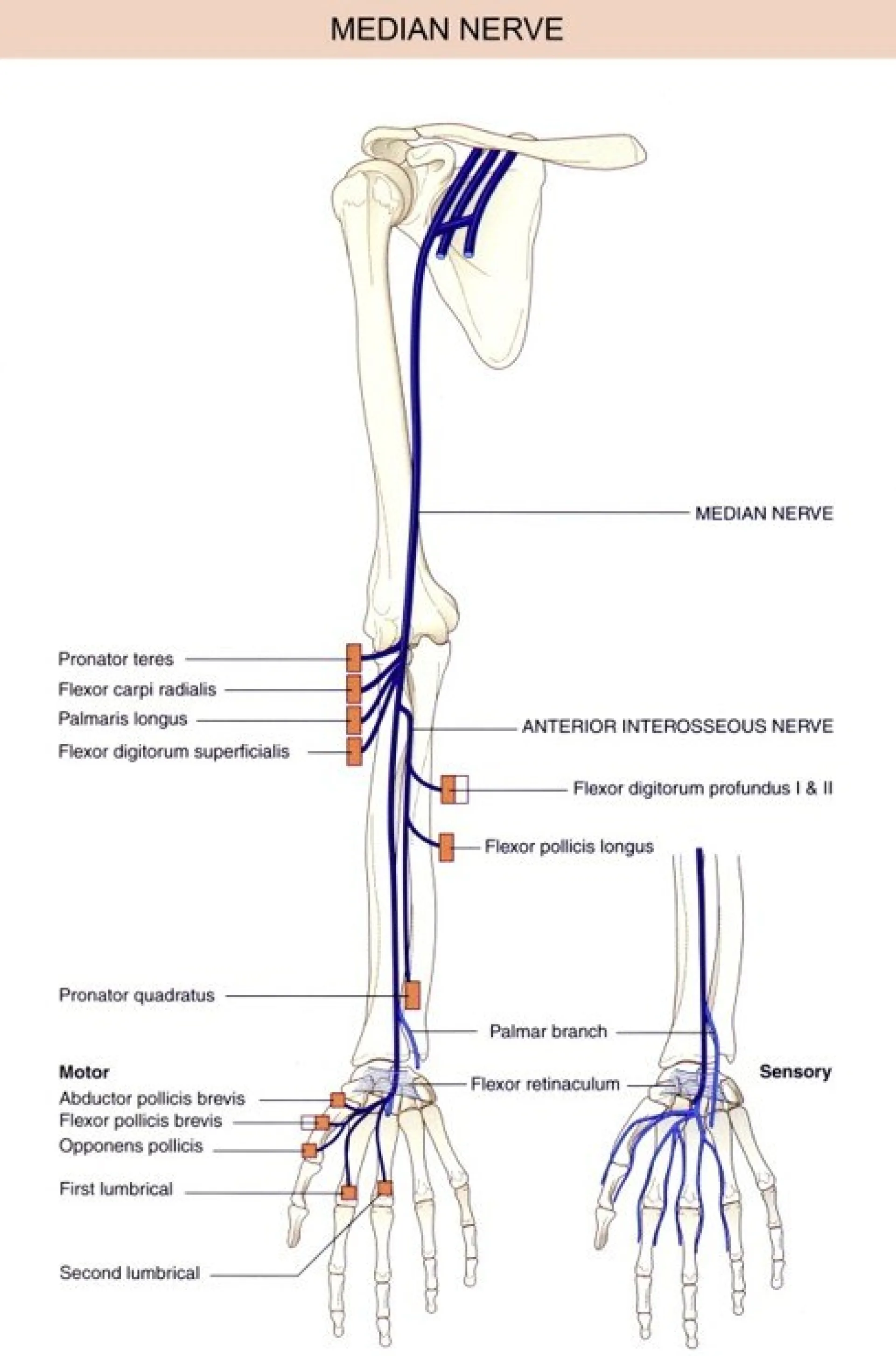
ULTT2 - Median Nerve Test
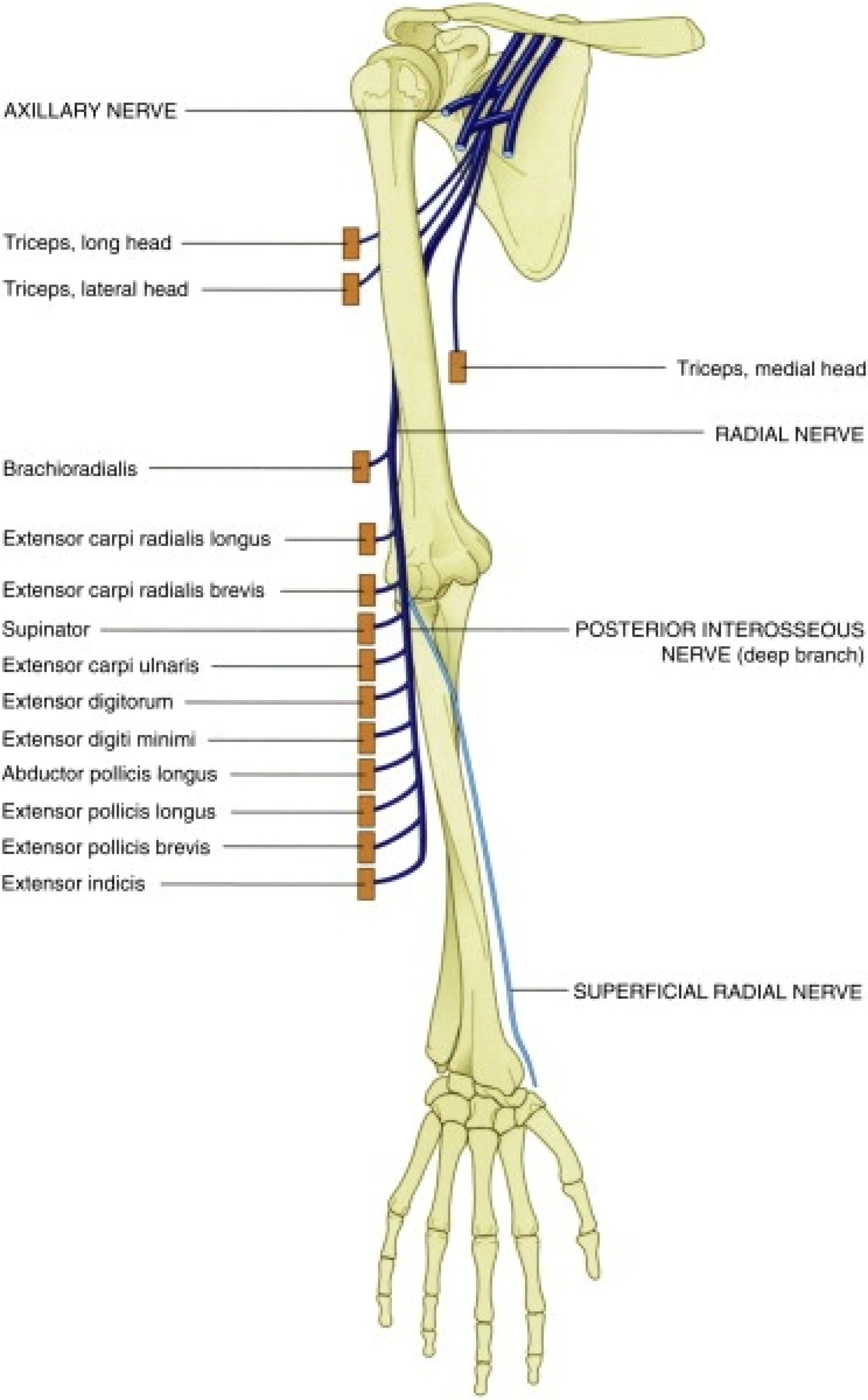
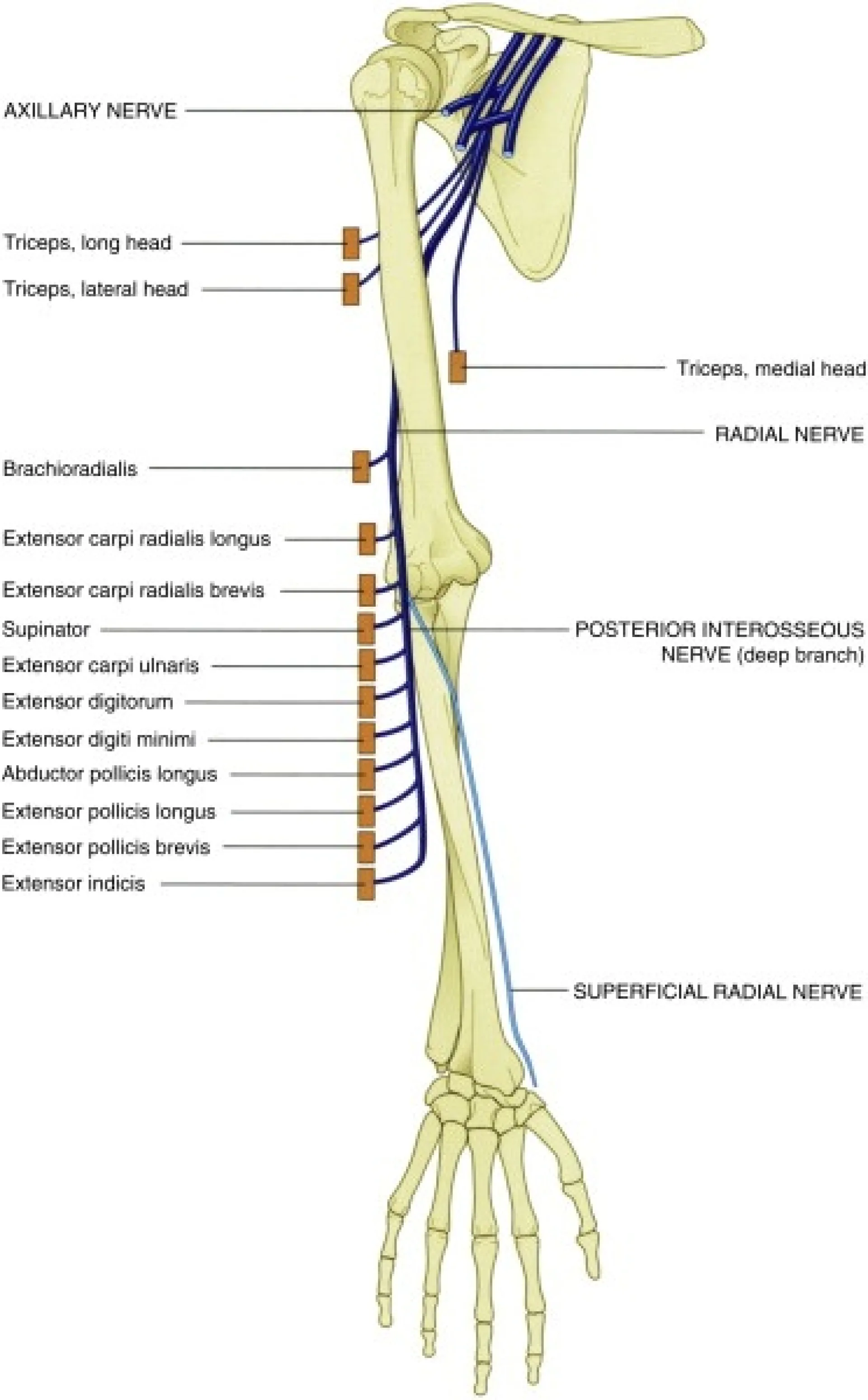
ULTT3 - Radial Nerve Test