
Neurodynamics
Hi my name is Sharon and I’m going to be discussing Neurodynamics today and how we assess your pain.
Posted
Pain
The system that serves to protect our body are very sophisticated. And the most sophisticated of these systems is the feeling system
Pain is the most potent experience as far as making us behave in a certain way – our glorious system is predictive, intuitive, evaluative, dynamic and modifiable. It is also however, a brutally effective system and the very reason that pain is usually so unpleasant.
If you have pain right now, you not alone –about 20% of humans have pain that has persisted for more than 3 months – for everyone in pain – it hurts and your brain is so smart that if puts your body in protective state.
You have no say in this, it is happening outside of your awareness or control,
There are many solutions in which pain does not seem to match the amount of danger your body tissues are truly in.
The massive amount of scientific research on this is clear – pain depends on your brain’s evaluation of danger and the likely benefit of protective behavior.
Our nerves are loaded with mechanical thermal and chemical sensors – if enough sensors are opened in our body, a signal is triggered and alarm signal saying danger is sent to the spinal cord.
This is where we as practitioners come in with testing Neurodymamics, movements and treatment.
History of Neurodynamics
Neurodynamics was developed by works of Grieve, Breig, Maitland, Elvey and Butler.
Neurodynamic initial focus was on mechanical stiffness.
Was often treated with aggressive stretching. Helped some patients, while others got worse.
Other health professions (Surgeons) did not greet this with enthusiasm due to the increased symptoms in patients.
Current Terminology
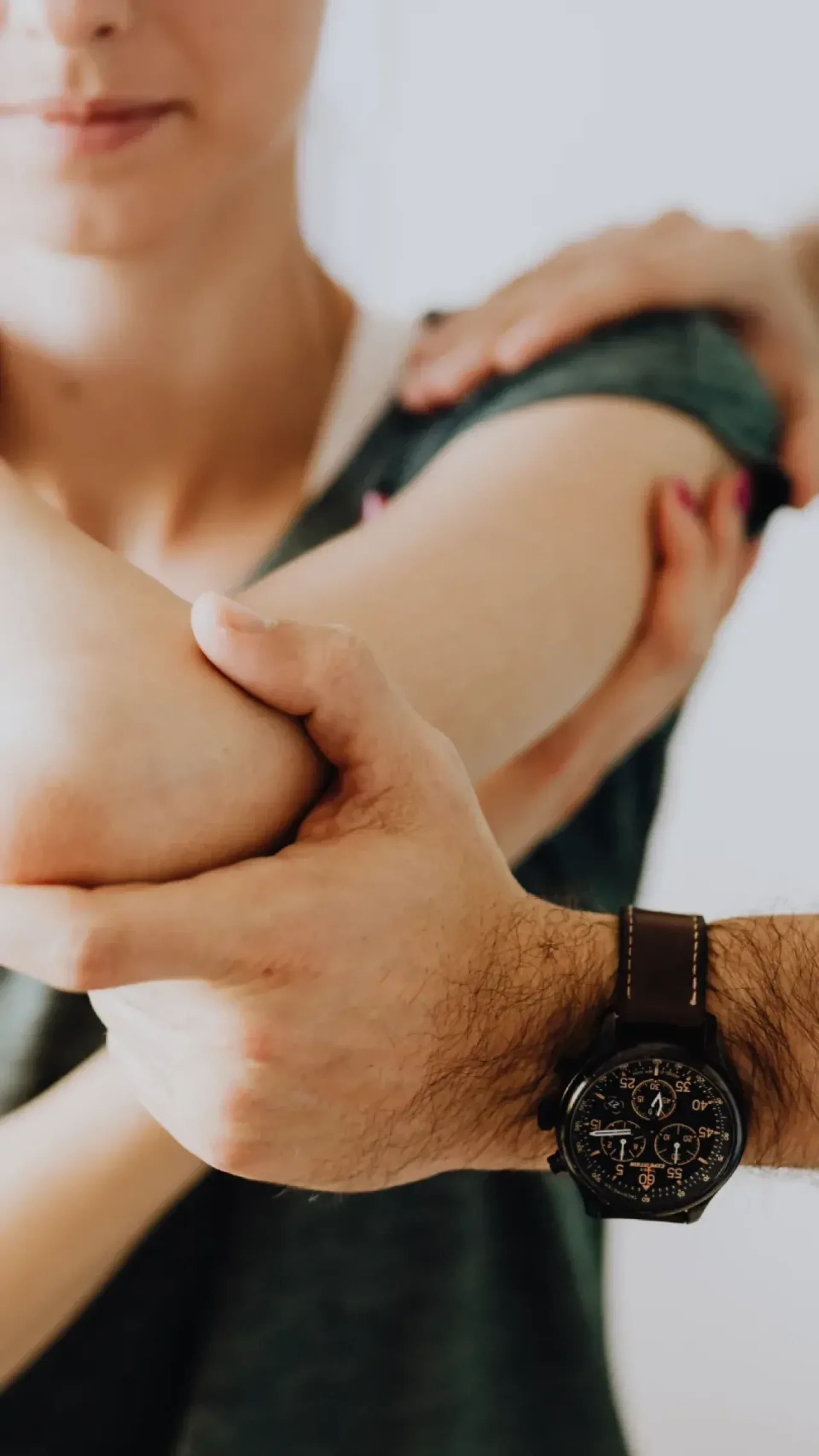
David Butler & Michael Shacklock coined the terms neuro-dynamics or neuro-mobilization to describe the concept that impaired neural movement which can cause limitations in the range of motion in the body.
Subsequent research has supported the hypothesis that pain-free movement requires nerve tissue to elongate, compress and glide within the nerve tract.
Manual Therapy. 2008;13, 213–221, Journal of Manipulative and Physiological Therapeutics. 2003. 26(2). 99-106
Nerves and Messages
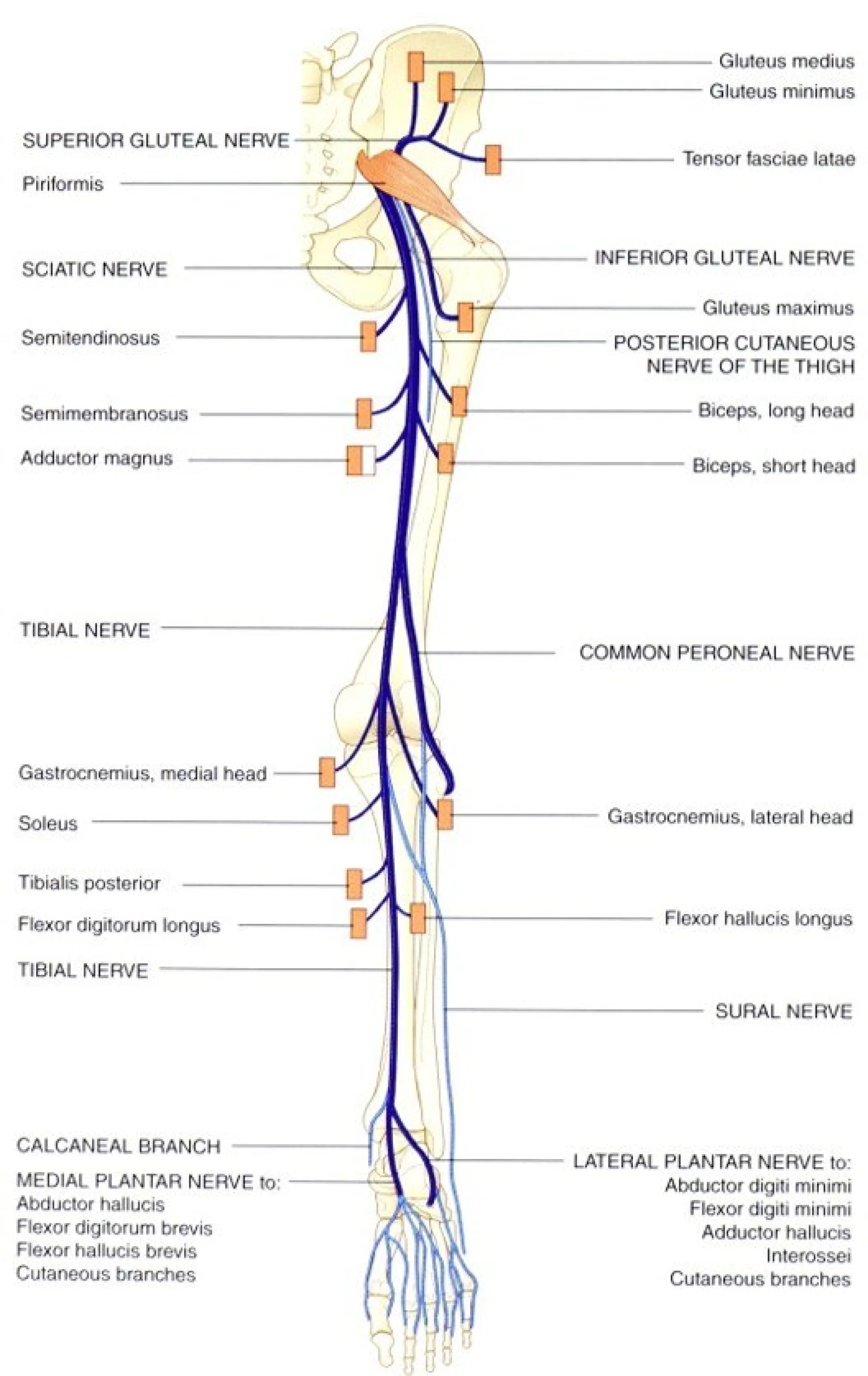
Sciatic nerve –one of the largest and thickest nerves in the body - emerges from the spinal cord, travels through the buttock down the back of the thigh, above the back of the knee it divides into the tibial and common peroneal nerve both of which serve the lower leg and foot.
Nerves wind their way through the body through blood vessels, muscles and travel round sharp corners such as the elbow (think of the funny bone).
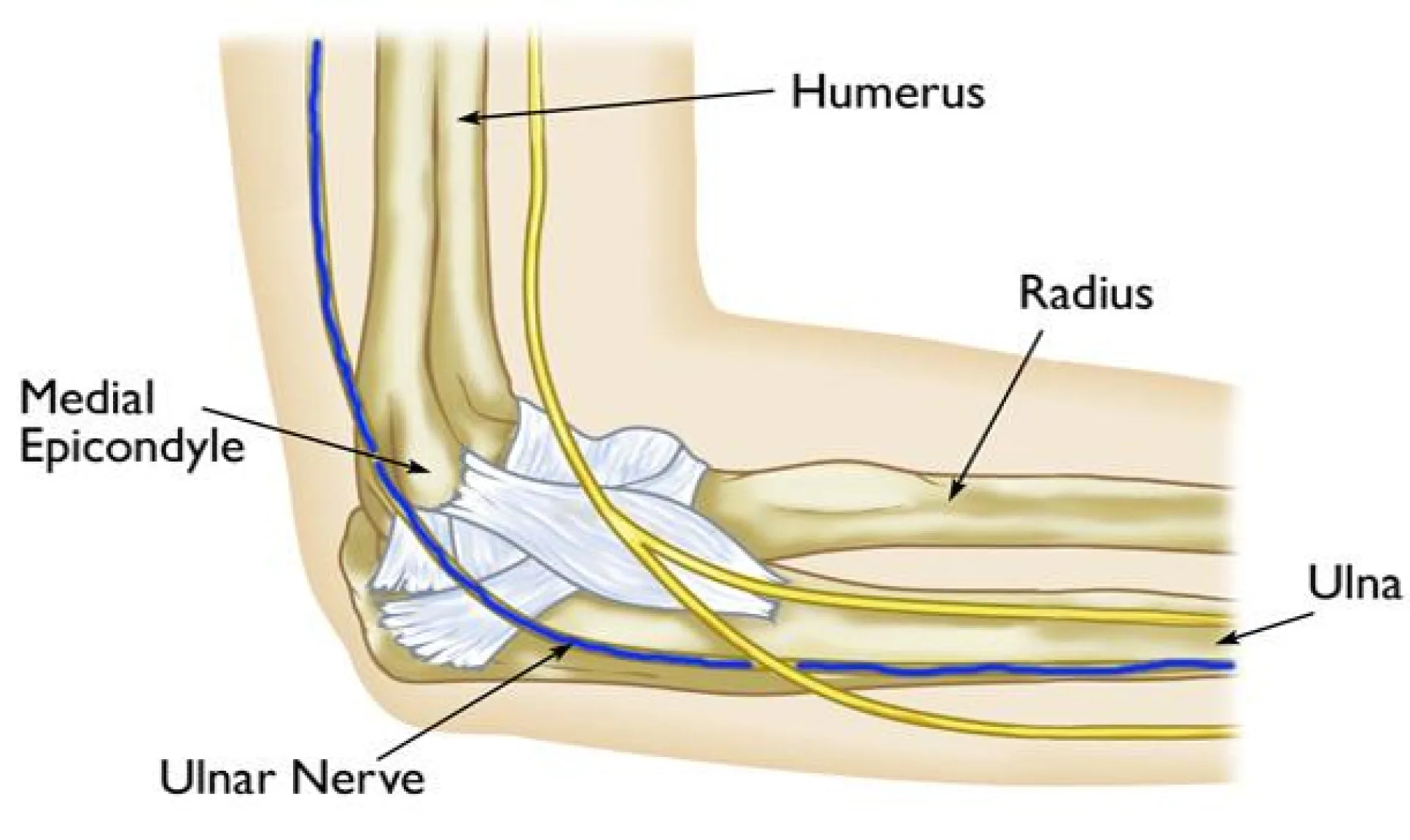
Nerves and Messages
Nerves can be trapped, irritated or possibly even compressed by the tissues they pass.
Messages passed along nerves can be stopped or changed by the surrounding tissues acting on them.
Symptoms patient experience :
- Pins and needles, numbness or weakness
- shooting pain,
- burning pain
- pain at a site further away from the actual cause of the problem, can all be due to problems with the nerves.
Common Injuries
Some common injuries of a limited nervous system movement:
- Hamstring Tendinopathy – creates scar tissue
- A disc bulge in Csp – C5/6 nerve root irritation
- A clavicle fracture that heals with a callus
- Piriformis syndrome
- An unstable shoulder – C8/T1 compression on median nerve root
- Compartment syndrome
- Compressed Tarsal tunnel
- Femoral Nerve pain – anterior thigh
- Ulnar nerve
Am J Sports Med.2009; 37(4):727-34
Neurodynamic Testing
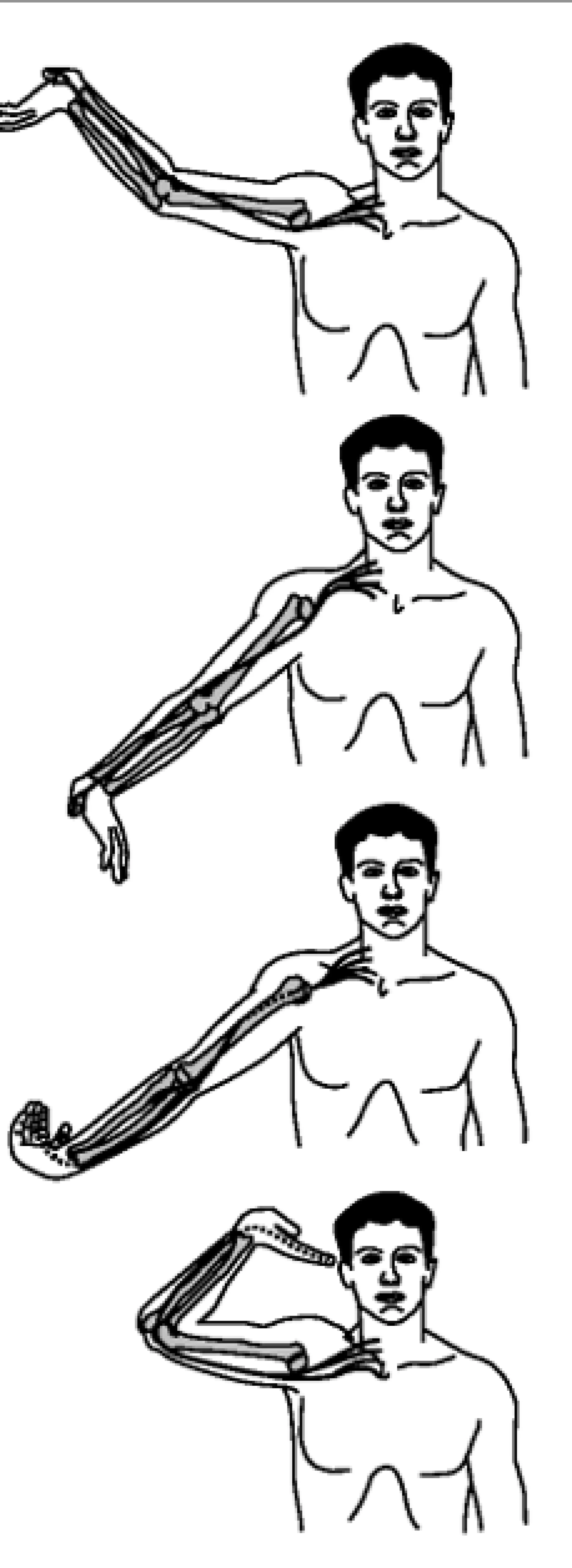
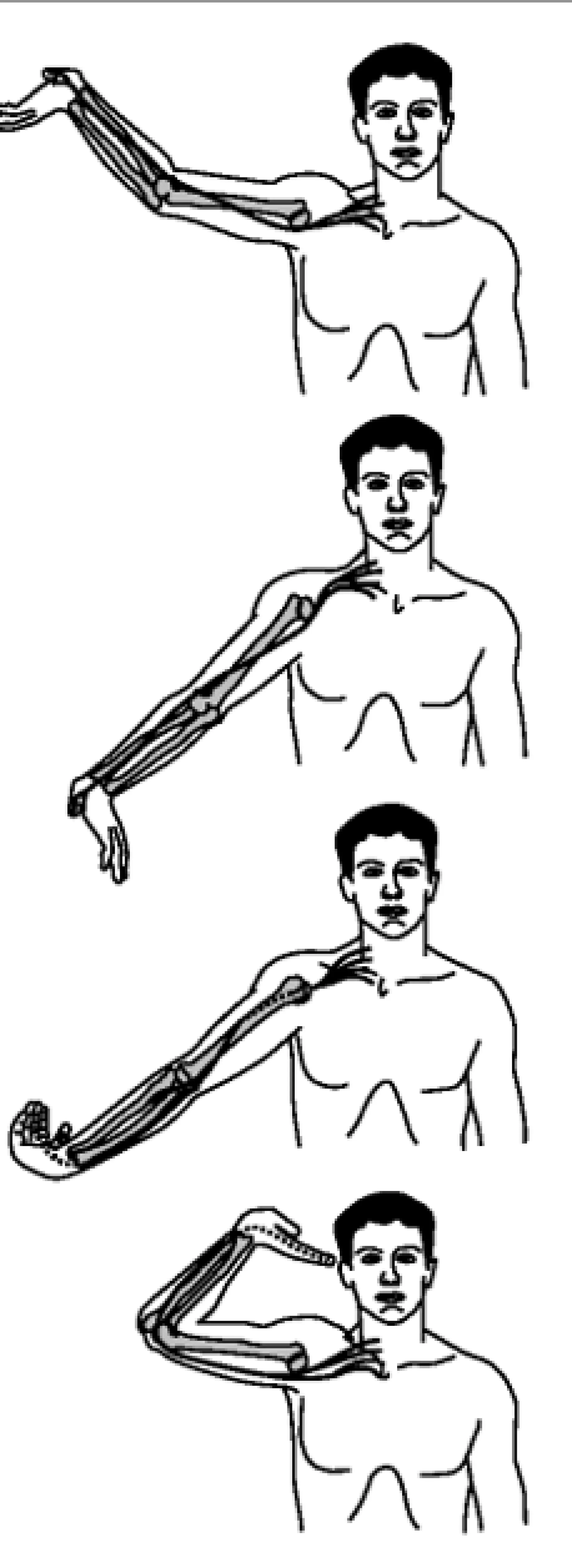
Therapists use neurodynamic assessments to tension major nerves of the limbs to help identify sites of inflammation and/or irritation.
The Upper Limb Tension Tests (ULTTs) - also known as Brachial Plexus Tension Test are designed to put stress on neurological structures of upper limb.
The ULTT's are equivalent to the straight leg raise test and slump test designed for the lumbar spine.
Therapists use neurodynamic assessments to tension major nerves of the limbs to help identify sites of inflammation and/or irritation.
Synchronised movements elongate the nerves and compress nerve roots or peripheral nerve to try to reproduce the patients' complaints – pain, pulling and stretching sensations.
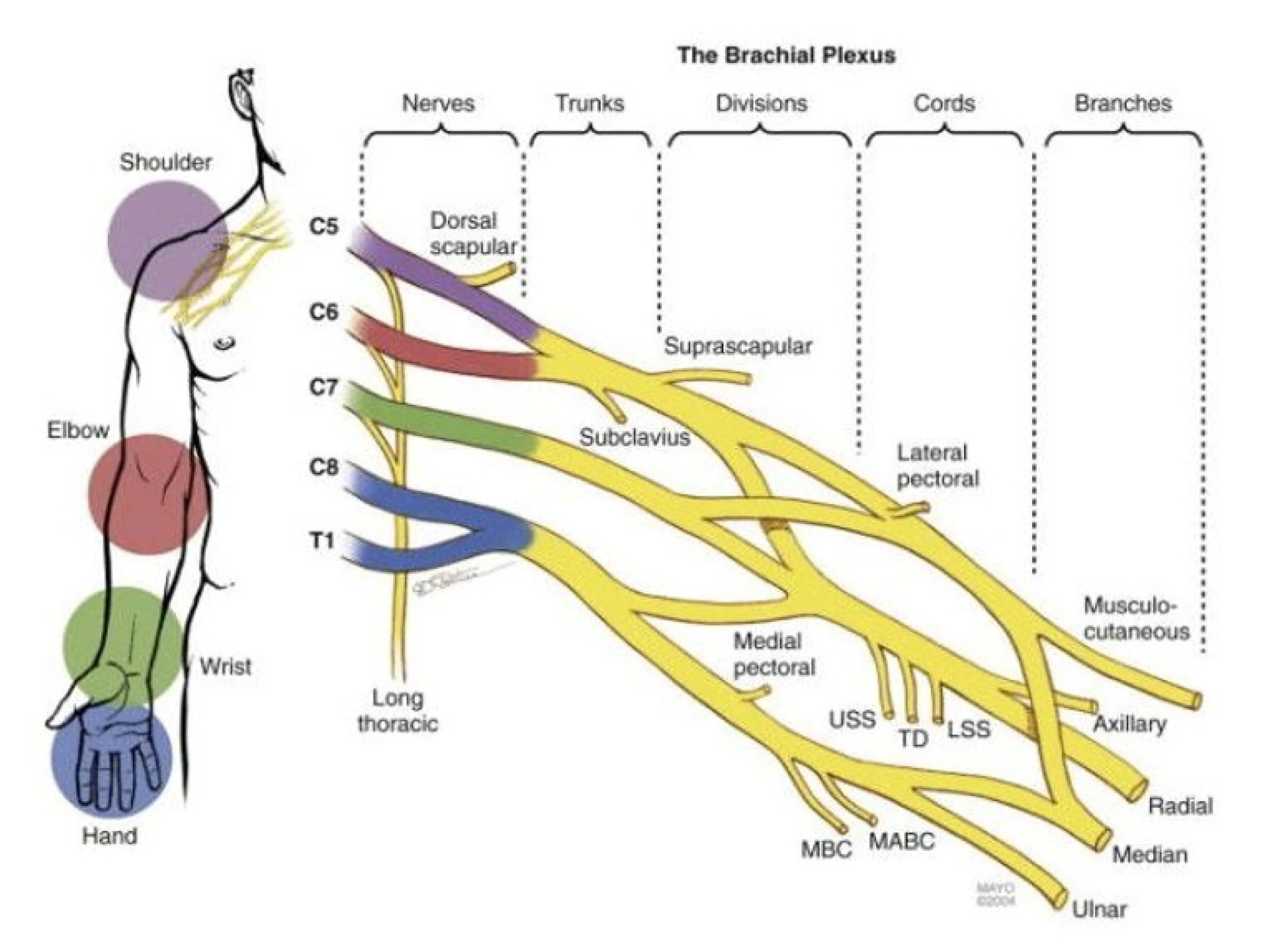
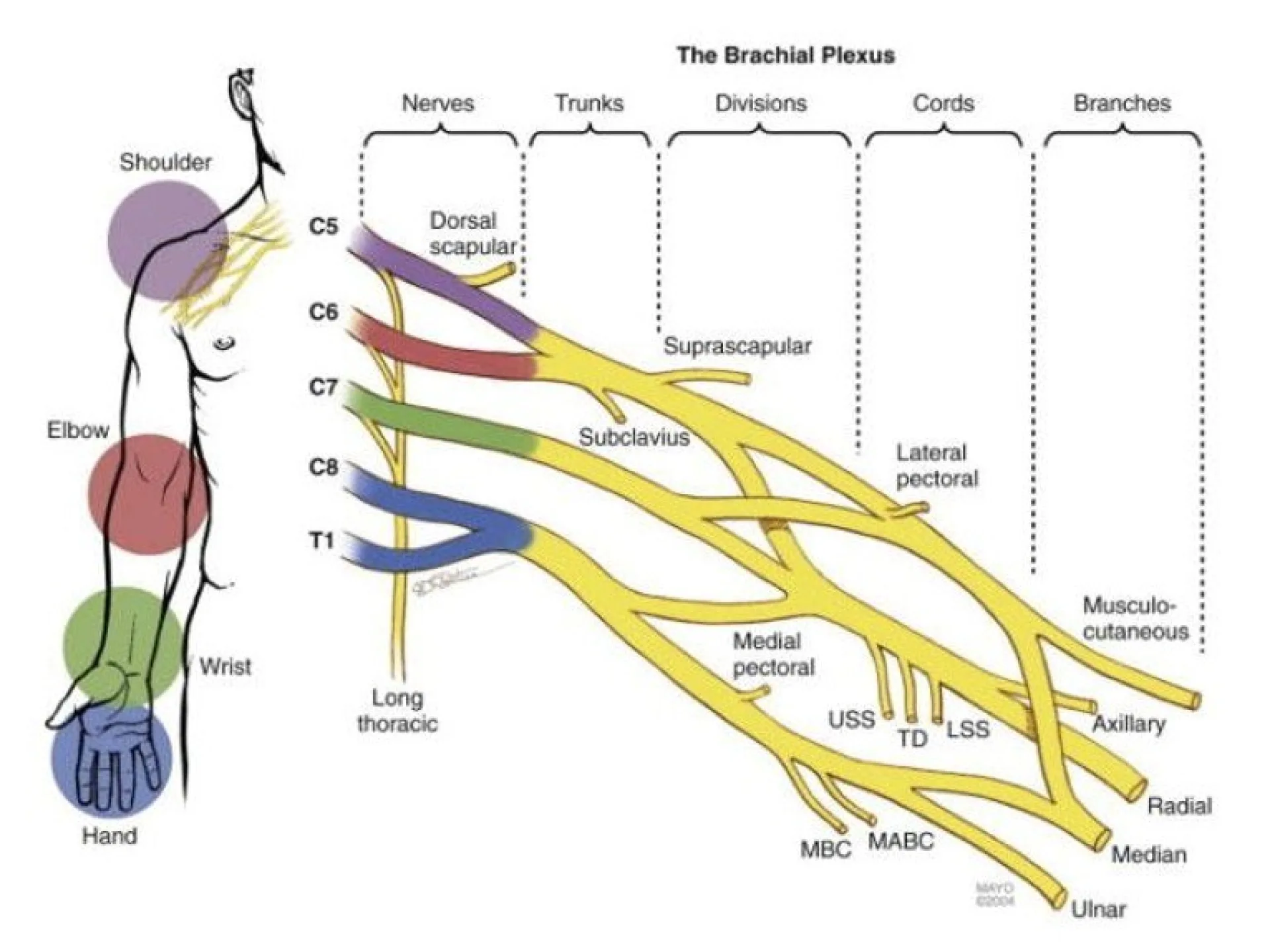
ULTT 1 - Brachial plexus biasing the Median Nerve
The main reason for using a ULTT is to check for cervical radiculopathy
Most traumatic brachial plexus injuries occur when the arm is forcefully pulled or stretched. Many events can cause the injury, including falls, motor vehicle collisions, knife and gunshot wounds, and most commonly, motorcycle collisions.
A disc bulge in the Csp may irritate C5/6 nerve root. Brachial plexus injuries are most common type of injury seen in rugby players
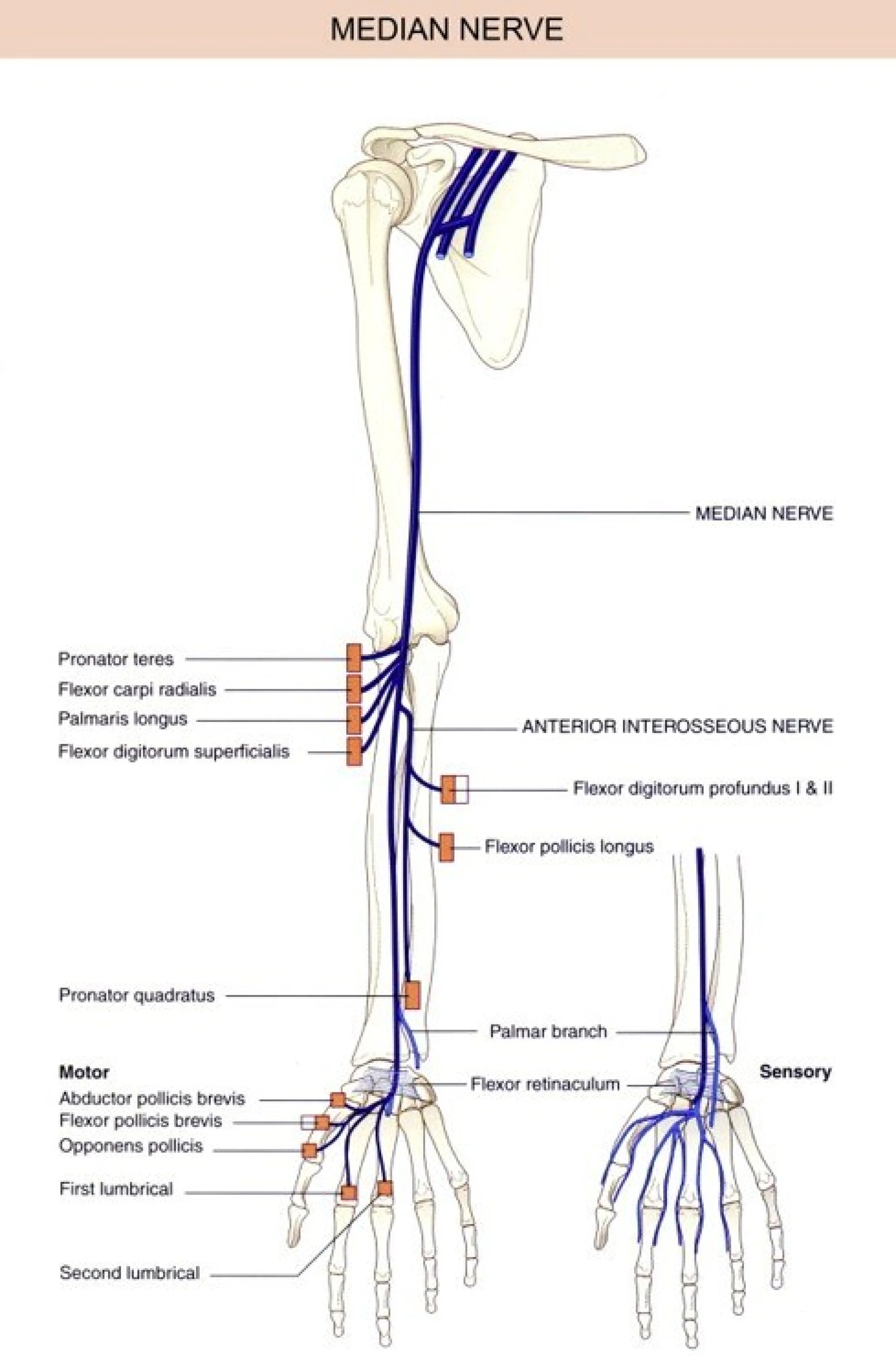
ULTT2 - Median Nerve Test
The ULTT2 is designed to put stress on the median nerve.
Median nerve lesions cause weakness in forearm pronation, wrist/finger flexion, and thumb opposition, with characteristic sensory loss in the lateral hand
Median nerve lesions are characterized predominantly by:
- Weak pronation of the forearm
- Weak flexion and radial deviation of wrist
- Inability to oppose the thumb
- Inability to flex the thumb
- Variable anaesthesia is experienced over:
Lateral palm
Lateral 3½ fingers on palmar surface, and distal ½ of the lateral 3½ fingers on the dorsal surface
Lesions at the carpal tunnel will spare palmar sensation.
The most common causes include:
- Trauma (especially at the wrist)
- Compartment syndromes at the carpal tunnel.
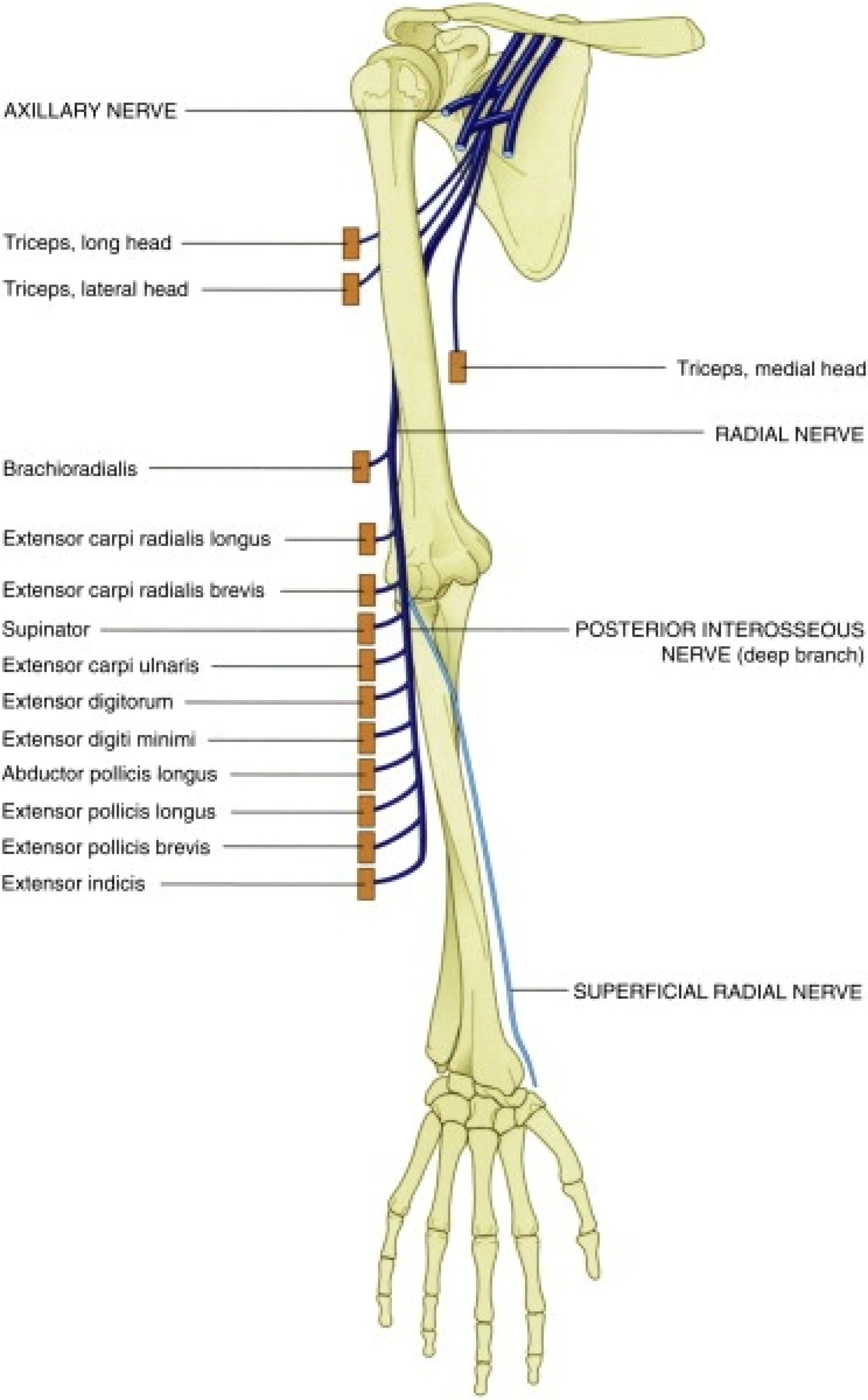
ULTT3 - Radial Nerve Test
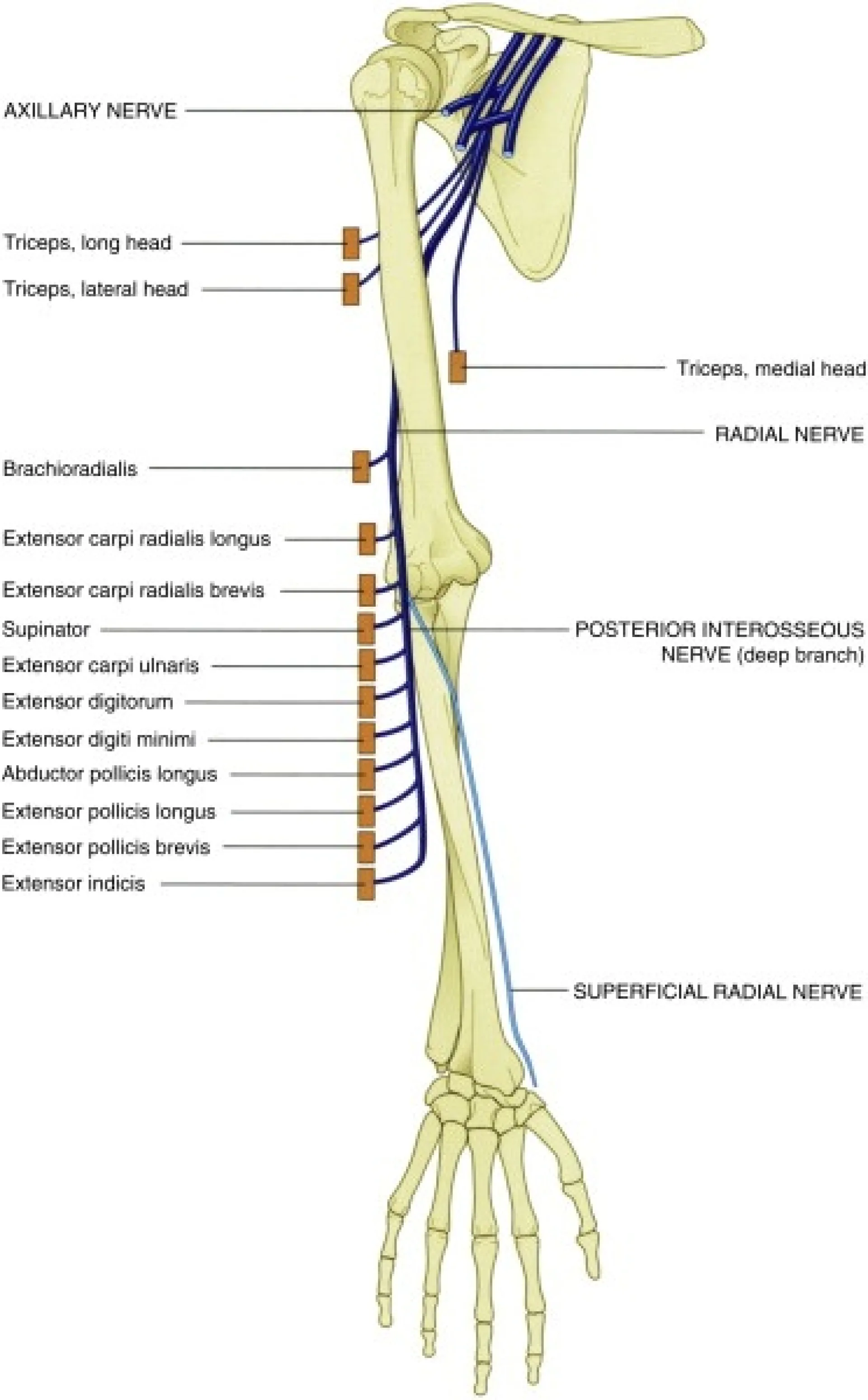
The ULTT3 is designed to put stress on the Radial Nerve
Extends the wrist and fingers in addition to supplying the triceps that extends the elbow.
Patient will experience wrist drop if nerve is damaged – known as radial nerve palsy
The radial nerve runs down the underside of your arm and controls movement of the triceps muscle, which is located at the back of the upper arm. The radial nerve is responsible for extending the wrist and fingers. It also controls sensation in part of the hand.
Symptoms may include a sharp or burning pain, as well as unusual sensations in your thumb and fingers. It’s common to experience numbness, tingling, and trouble straightening your arm. You may also find that you can’t extend or straighten your wrist and fingers.
The most common causes of radial nerve injury:
breaking an arm, fracturing the humerus, falling on your arm. overusing your arm or leaning your arm over the back of a chair.